
Crypto's Trust Deficit: A Wake-Up Call for African Digital Assets
Global crypto hacks highlight the urgent need for robust security and regulation in Africa's rapidly growing digital asset market. Fintech Pulse explores SARB's
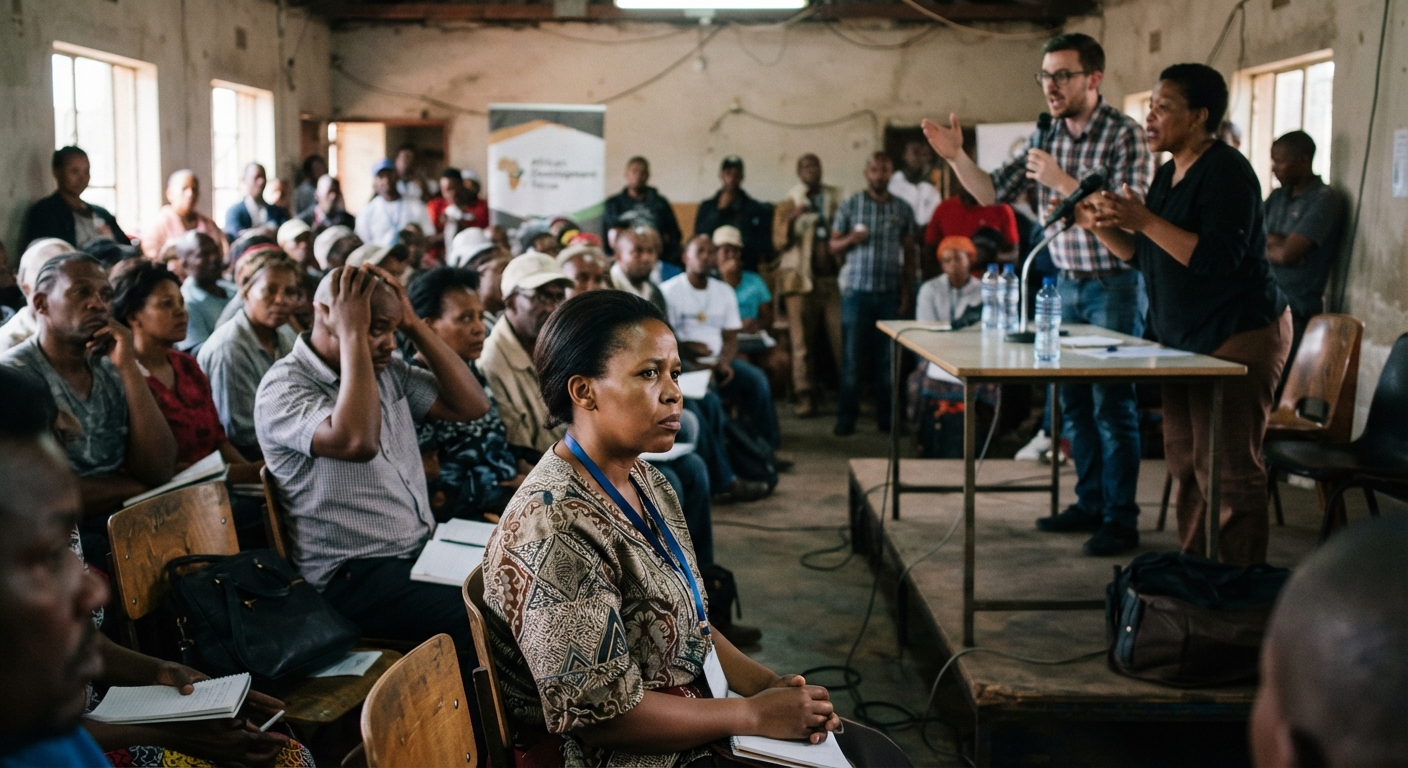
The digital asset landscape, often touted as the future of finance, continues to grapple with a fundamental challenge: the consistent safeguarding of customer funds. Recent high-profile security breaches, including those affecting major global exchanges like Binance, serve as stark reminders that the promise of decentralisation and innovation can quickly be overshadowed by the specter of disappearing money.
The Persistent Threat to Digital Wallets
Incidents of hacks, exploits, and fraudulent activities are not isolated anomalies but rather a recurring vulnerability within the cryptocurrency ecosystem. While the technology behind blockchain aims for immutable security, the human-managed interfaces – the exchanges and platforms where users interact – often present the weakest links. These breaches undermine the very notion of 'digital ownership,' leaving users feeling exposed and their investments precarious. For an industry striving for mainstream adoption, the inability to guarantee basic asset safety is a significant impediment.
Eroding Trust and User Confidence
Each security breach erodes the crucial element of trust, which is foundational to any financial system. For potential new entrants, particularly in emerging markets where digital literacy and trust in novel financial instruments are still developing, these events can be highly deterrent. It paints a picture of an unregulated, high-risk frontier rather than a dependable alternative or complement to traditional finance. This perception can hinder wider adoption and slow the integration of innovative crypto-based solutions into broader economic frameworks.
Regulatory Imperatives in a Volatile Landscape
The continuous string of security failures intensifies the global clamour for robust regulatory oversight. Regulators worldwide are under increasing pressure to establish frameworks that protect consumers without stifling innovation. This includes mandating stricter security protocols, capital reserve requirements, transparent reporting, and clear accountability mechanisms. The challenge lies in crafting regulations that are adaptive to the rapidly evolving crypto space, preventing illicit activities while fostering legitimate growth.
The South Africa / Africa Angle
For South Africa and the broader African continent, where fintech innovation, mobile payments, and crypto adoption are experiencing significant growth, these global security incidents carry amplified implications. Africa has emerged as a fertile ground for cryptocurrency, driven by needs for remittances, alternative investment avenues, and financial inclusion. However, a lack of robust local regulatory frameworks, coupled with a user base that may be less familiar with the intricacies of digital asset security, makes African users particularly vulnerable to the ripple effects of global hacks.
The South African Reserve Bank (SARB) has adopted a cautious but progressive stance on crypto assets, moving towards a licensing framework for crypto asset service providers (CASPs). This proactive approach is critical. Incidents like the Binance hack underscore the urgent need for such regulation, not merely to control, but to protect. It validates SARB's position that while innovation is vital, it must be underpinned by strong consumer protection, clear operational standards, and mechanisms for recourse. For African fintech startups, this means prioritising security and compliance from inception, fostering trust through transparent and robust platforms, and helping to build a more resilient digital financial ecosystem across the continent.
Charting a Secure Path Forward
Addressing crypto's trust deficit demands a multi-pronged approach: enhanced technological security, transparent operational practices by exchanges, rigorous and adaptive regulatory frameworks, and continuous user education. Only by collaboratively tackling these challenges can the digital asset industry truly fulfil its potential to revolutionise finance, particularly in regions like Africa, where its transformative power is most needed.
Source: Moneyweb